



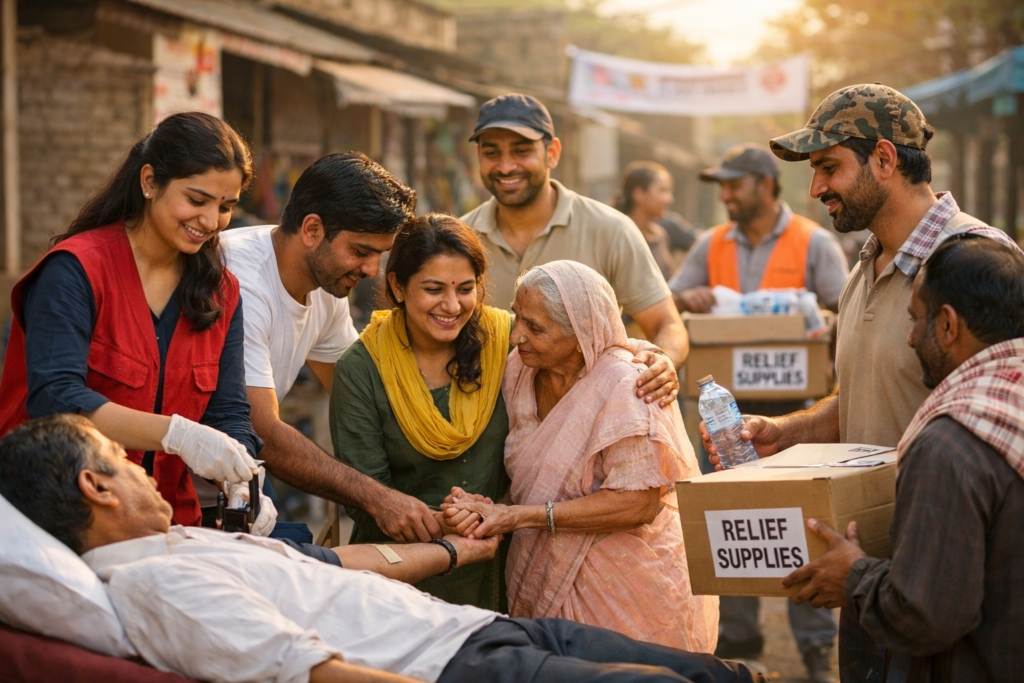
Volunteer recognition programs play a vital role in supporting people who give their time, energy, and care to help others without expecting anything in return.
Volunteers are the backbone of social initiatives, community health efforts, and emergency response systems. While compassion drives them, sustained involvement depends on feeling valued and seen. Recognition is not about rewards alone. It is about respect, trust, and emotional support. When volunteers feel acknowledged, their connection to the cause becomes stronger and long-lasting.
In today’s connected world, appreciation has also evolved. Digital volunteer recognition has opened new ways to highlight effort, maintain transparency, and keep volunteers engaged even when physical interaction is limited. LifeSaverArmy demonstrates how thoughtful recognition can create a sense of belonging and shared purpose among volunteers.
Table of Contents
Volunteer Recognition Program: How It Supports Volunteers
A structured volunteer recognition program supports volunteers by giving visibility to their contributions and reinforcing the importance of their role. Recognition helps volunteers understand that their actions matter and that every effort creates real impact.
When volunteers see their work acknowledged publicly or privately, it boosts confidence and emotional well-being. It also encourages consistency. People are more likely to stay involved when they feel respected and appreciated. Recognition creates a healthy cycle where motivation leads to action, and action leads to appreciation.
Digital volunteer recognition adds another layer of support. Online achievements, verified contribution records, and transparent acknowledgment systems allow volunteers to track their journey. This clarity builds trust and reduces burnout, especially for those who contribute regularly.
Emotional Support Through Recognition
Volunteering can be emotionally demanding, particularly in areas like blood donation, emergency response, or community health. Recognition acts as emotional reinforcement. It reassures volunteers that their time and effort are meaningful.
Simple acknowledgment reduces weakness and helps volunteers feel emotionally supported. Even small gestures can make a big difference when delivered consistently and sincerely.
Building a Sense of Belonging
Recognition connects volunteers to a larger mission. When individuals feel included, they see themselves as part of a community rather than isolated contributors.
This approach strengthens a sense of belonging by showcasing collective impact. Volunteers can see how their efforts align with others, creating shared pride and responsibility.
Encouraging Long-Term Commitment
One-time participation is helpful, but long-term commitment creates real change. Recognition encourages repeat involvement by supporting positive behavior.
A clear and fair recognition system helps volunteers visualize growth. They feel encouraged to continue because their journey is visible and valued over time.
The Role of Digital Volunteer Recognition
Recognition simplifies how appreciation is delivered and recorded. It removes confusion and ensures fairness. Verified digital records show accurate contributions, preventing confusion.
Online recognition also makes appreciation scalable. Whether there are ten volunteers or ten thousand, everyone can be acknowledged without delay. This is especially valuable for nationwide or emergency-driven initiatives.
LifeSaverArmy uses digital systems to ensure that every verified effort is counted. This transparency builds confidence among volunteers and strengthens trust in the organization.
10 Pro Tips to Support Volunteers Through Recognition
1. Recognize Consistency, Not Just Milestones
Appreciate regular effort, even if it seems small. Consistency builds reliability.
2. Keep Recognition Transparent
Use clear criteria, so volunteers understand how and why recognition is given.
3. Make Appreciation Timely
Acknowledging efforts soon after action increases emotional impact.
4. Personalize Whenever Possible
A name or specific contribution mentioned goes a long way.
5. Use Digital Records
It ensures accuracy and fairness for everyone.
6. Celebrate Group Achievements
Recognize teams to strengthen community spirit.
7. Avoid Competition Pressure
Recognition should inspire, not discourage or create stress.
8. Share Impact Stories
Show how volunteer actions helped real people or situations.
9. Encourage Peer Appreciation
Allow volunteers to acknowledge each other’s efforts.
10. Stay Consistent Over Time
Recognition should not be occasional. Regular appreciation builds trust.
How Recognition Strengthens Volunteer Well-Being
Recognition directly affects emotional health. Volunteers who feel appreciated experience less stress and greater satisfaction. They are more confident in their role and more open to continued involvement.
It also reduces uncertainty. Volunteers know their efforts are recorded correctly, which builds peace of mind and trust in the system.
FAQs
1. What is a volunteer recognition program?
A volunteer recognition program is a structured way to acknowledge and appreciate volunteer efforts. It highlights contributions fairly and transparently, helping volunteers feel valued and motivated. Over time, recognition also strengthens long-term engagement and builds trust between volunteers and organizations.
2. Why is recognition important for volunteers?
Recognition validates the effort and emotional investment made by volunteers. It reduces burnout, builds confidence, and helps volunteers feel deeply connected to the mission. This sense of appreciation naturally leads to sustained participation.
3. How does digital recognition help volunteers?
Digital recognition helps volunteers by providing clear and verified contribution records. Volunteers can track their impact easily while ensuring fairness and transparency in acknowledgment. This clarity builds trust and boosts motivation.
4. Can recognition improve volunteer retention?
Yes, recognition plays a key role in improving volunteer retention. Appreciation encourages repeat involvement by making volunteers feel respected and supported. Recognition also builds emotional attachment, which increases long-term commitment.
5. How can organizations start recognizing volunteers effectively?
Organizations can start recognizing volunteers effectively by focusing on simple and sincere appreciation. Using digital volunteer recognition tools ensures accuracy, while consistency and transparency reinforce trust. Most importantly, focusing on respect over rewards creates meaningful and lasting recognition.
Conclusion
Recognition is not an extra feature. It is a core support system for volunteers. A well-designed volunteer recognition program builds motivation, trust, and emotional well-being. It encourages consistency, strengthens community bonds, and reduces burnout.
Digital volunteer recognition adds clarity and fairness, making appreciation accessible to everyone. LifeSaverArmy shows how transparent recognition can nurture long-term volunteer engagement.
When volunteers feel seen and valued, they continue to give their best. Recognition turns goodwill into lasting impact and ensures that those who serve never feel invisible.
