



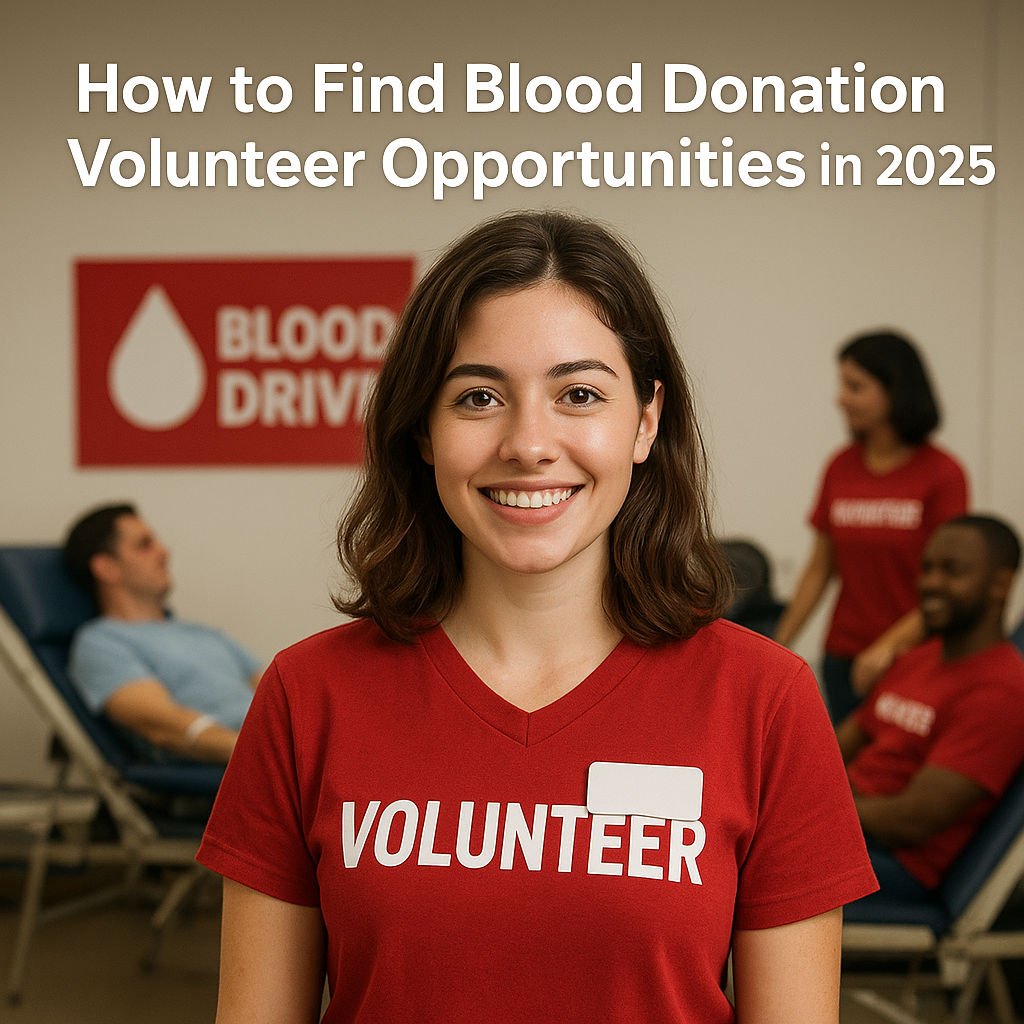
If you’re looking to make a real difference this year, blood donation volunteer opportunities offer a powerful way to contribute. Whether you’re organising, promoting, or supporting a drive, volunteering with a blood donation volunteer event can save lives and enrich your own experience.
Table of Contents
Why volunteering for blood donation matters
When you sign up for a blood donation volunteer event, you become part of a community dedicated to helping patients who depend on safe and timely blood supplies. Organisations around the world consistently highlight volunteers as the backbone of donor drives.
How to find blood donation volunteer opportunities
Here are practical steps you can follow to locate and join worthwhile opportunities.
1. Check with local blood banks and donor organisations
Start with organisations in your city or region. Many blood banks and donor centres run regular drives and rely on volunteers. For instance, many centres list volunteer roles like greeting donors, monitoring refreshments or supporting donor registration.
2. Explore event listings and community calendars
Look for upcoming blood donation volunteer event listings in community centres, schools, colleges or workplaces. Many drivers announce a few weeks in advance and request volunteer sign‑ups.
3. Reach out to campus clubs or student groups
Universities and colleges often host or partner with drives. Students can gain community service hours and leadership experience by organising or helping.
4. Use online platforms and email newsletters
Subscribe to newsletters of local donor organisations. They’ll send updates about drives and volunteer needs. Also check the organisation’s website or social media for signup forms.
5. Register in advance and attend orientation
Once you find an opportunity, register early. Many organisations require a short orientation or onboarding to explain roles, safety procedures, and event logistics.
6. Choose the type of role you prefer
Volunteer roles vary from donor greeting, administrative support, post‑donation refreshments, escorting donors, and outreach/education. Pick a role that aligns with your interests and schedule.
7. Confirm the date, time and logistics
Check when the blood donation volunteer event is happening: arrival time, dress code, and what you might need to bring (ID, water bottle, snack). This helps you show up well prepared.
8. Prepare yourself as a volunteer
Wear comfortable clothing, arrive early, bring a positive attitude, and be ready to help donors feel comfortable. Being proactive and friendly makes a big difference.
9. Invite friends or colleagues
Volunteering with a group can make the experience more enjoyable and increase the impact. Ask friends, classmates or coworkers to join you.
10. Follow up and reflect
After the event, thank the organisers, ask if there are future drives, and reflect on what you learnt. This builds your commitment and makes future volunteering easier.
10 Pro Tips for Success
Here are ten actionable tips to help you make the most of your experience:
- Choose roles that fit your strengths: If you’re good with people, pick greeting or donor‑escort roles. If you prefer behind-the-scenes tasks, try admin support.
- Arrive early and stay attentive: Volunteers who arrive 10‑15 minutes early and are alert throughout give a smoother experience for donors.
- Learn basic donor care etiquette: Understand how to make donors comfortable, offer water, monitor for faintness, and know who to alert if someone needs help.
- Be a friendly ambassador: Wear your smile, introduce yourself, and explain what the drive is about. It helps nervous donors feel at ease.
- Stay hydrated and take breaks: Especially if it’s a long event, keep your energy up so you can remain helpful.
- Ask for training and clarification: Don’t hesitate to ask organisers about your role, material, or donor flow. Better informed equals better support.
- Take notes and learn from each event: What worked? What didn’t? Use this to improve your next volunteering effort.
- Follow up with donors post‑event: If permitted, send them a thank you message or reminder for the next donation that builds community.
- Promote the next event: Use your social network or workplace to spread the word about upcoming drives, volunteering includes outreach.
- Reflect on your impact: After the event, write down how many donors came, what you helped with, and how you felt. This keeps motivation alive.
FAQ’s
1: What kinds of roles are available in blood donation volunteer opportunities?
Roles range from donor registration and greeting, to refreshments and donor monitoring, outreach and education, event setup and logistics. You can choose based on your comfort and available time.
2: How do I register to volunteer at a blood drive?
Find the organisation hosting the drive, fill out their volunteer sign‑up form (online or paper), attend any orientation they offer, and confirm your shift details.
3: Do I need special training or qualifications to volunteer at a blood drive?
Most roles do not require medical training. Organisations will provide orientation for volunteers. Roles involving technical or clinical tasks are usually restricted to trained staff.
4:How much time should I commit to a typical volunteer event?
Volunteer hours vary and could be 2–4 hours for a blood donation volunteer event, or a full day for larger drives. Check the event details and choose a slot that fits your schedule.
5: Can volunteering at a blood donation event help my personal or professional growth?
Yes. You gain community service experience, peer‑interaction, organisational skills, communication practice, and the satisfaction of contributing to lives saved.
Conclusion
Finding and participating in blood donation volunteer opportunities in 2025 is a meaningful and accessible way to serve your community. By exploring local drives, registering early, choosing roles wisely, and using the ten pro tips above, you’ll be fully prepared. Don’t forget that even promoting or assisting one blood donation volunteer event can ripple into many lives saved. Visit lifesaverarmy.com for more information, updates on events and ways to get involved. Let’s roll up our sleeves and help make every donation count.
