



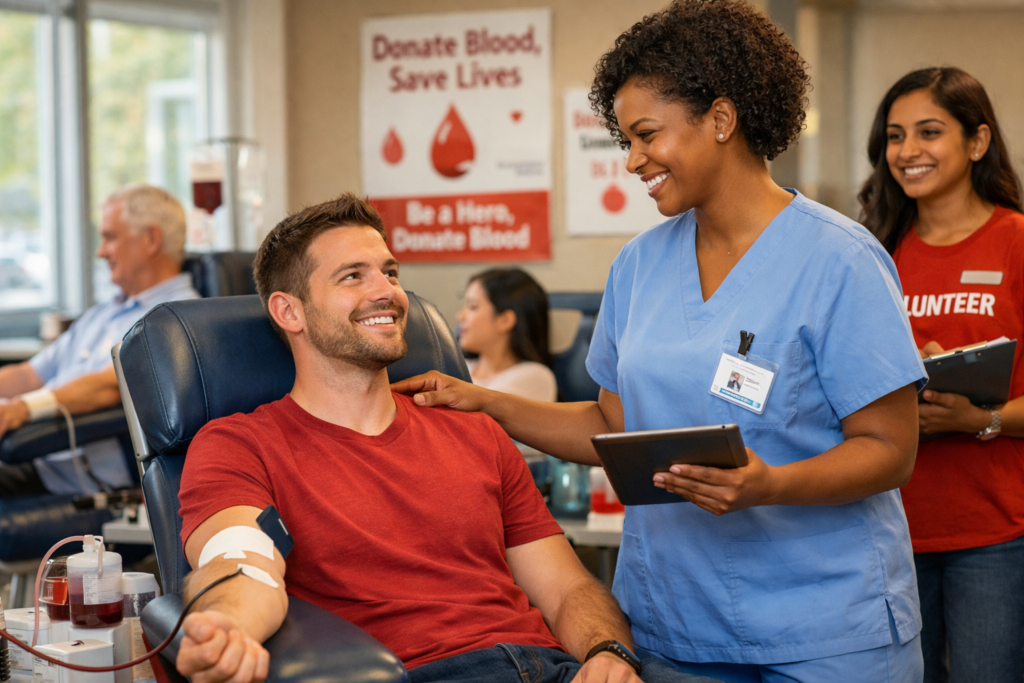
Lifesaving volunteer efforts are the heartbeat of communities, ensuring that people in need receive help when it matters most. From organizing blood drives to supporting patients in emergencies, volunteers play a crucial role in keeping healthcare systems running smoothly. In this blog, we will explore how these efforts save lives every day, ways to track blood volunteer progress, and actionable tips for anyone looking to make a difference.
Table of Contents
The Importance of Lifesaving Volunteer Efforts
Every day, countless individuals rely on volunteers to provide essential services that save lives. Hospitals often face shortages of blood, plasma, and platelets, and lifesaving volunteer efforts help bridge this gap. By participating in blood donation drives and awareness campaigns, volunteers directly impact patient outcomes, reducing waiting times and preventing crises.
Beyond healthcare, these efforts foster a culture of compassion and social responsibility. Communities with active volunteers are better prepared for emergencies and more resilient overall. Whether it’s assisting during natural disasters or coordinating local blood donation events, volunteers also help track blood volunteer progress, ensuring resources reach those in need efficiently.
How Volunteer Efforts Work
Volunteer programs operate through structured systems that connect donors with those in need. LifeSaverArmy helps volunteers track blood volunteer progress and manage donation schedules efficiently. By maintaining accurate records, volunteers can ensure that blood supplies are available when and where they are needed most.
Volunteer tasks can vary, including organizing events, managing donor registrations, assisting in logistics, and spreading awareness through social media and community campaigns. Each task contributes to the larger goal of saving lives and creating a stronger support system for healthcare providers.
Benefits of Participating in Volunteer Activities
- Direct Impact on Lives: Every donation or volunteer action can save multiple lives.
- Community Engagement: Volunteers strengthen their local communities by promoting health and safety.
- Skill Development: Coordinating events and managing logistics enhances organizational and leadership skills.
- Awareness and Education: Volunteers educate others about the importance of donating blood and staying prepared for emergencies.
- Personal Fulfillment: Knowing that your efforts make a tangible difference brings a sense of accomplishment and purpose.
How to Track Volunteer Progress
One key aspect of volunteer activities is tracking blood volunteer progress. Platforms like LifeSaverArmy provide a centralized dashboard to monitor who has donated, upcoming donation drives, and inventory levels. This ensures that donors are reminded about future opportunities and that hospitals have the resources they need.
Tracking progress also motivates volunteers by showing them the real impact of their contributions. Regular updates and statistics can help volunteers see how many lives have been saved thanks to their efforts, encouraging continued participation and engagement. Additionally, tracking tools allow coordinators to identify gaps in donor participation, manage schedules efficiently, and optimize the planning of future events. Volunteers can also use the data to celebrate milestones, share achievements with their communities, and provide transparent reports to local hospitals. By keeping everything organized and accessible, tracking systems make the volunteer process smoother and more rewarding, ensuring that every donation counts toward saving lives.
10 Pro Tips for Volunteer Activities
Here are ten actionable tips to maximize the effectiveness of your volunteer work:
- Stay Organized: Maintain a calendar of donation drives and volunteer schedules.
- Track Donations: LifeSaverArmy to monitor blood volunteer progress and ensure no gaps in supply.
- Educate the Community: Share information about blood donation benefits and eligibility requirements.
- Recruit Friends and Family: Encourage others to participate in donation drives.
- Coordinate with Hospitals: Stay in touch with local healthcare facilities to understand their needs.
- Leverage Social Media: Promote events and volunteer opportunities to reach a wider audience.
- Provide Support at Drives: Assist with registrations, refreshments, and guiding donors.
- Stay Informed: Keep up with health guidelines and blood donation requirements.
- Celebrate Milestones: Recognize volunteers and donors to maintain motivation.
- Reflect and Improve: After every event, evaluate what worked and what can be improved.
FAQs
Q1: How do lifesaving volunteer efforts make a difference in emergencies?
Volunteer activities ensure the timely availability of blood and other essential services. Volunteers coordinate drives, manage logistics, and support hospitals, reducing delays during critical situations. Their contribution directly impacts patient survival and recovery rates.
Q2: What skills can I gain from volunteering in blood donation drives?
Volunteering helps develop organizational, leadership, and communication skills. You also learn teamwork, problem-solving, and how to manage events efficiently. These skills are valuable in personal and professional life.
Q3: How can I stay motivated as a volunteer?
Seeing the real impact of your efforts keeps motivation high. Celebrating milestones, tracking progress, and sharing success stories with your community can make volunteering more fulfilling.
Q4: How do I find blood donation events near me?
Local hospitals, community centers, and LifeSaverArmy regularly list upcoming donation events. Subscribing to alerts helps you stay updated and track blood volunteer progress, ensuring you don’t miss opportunities to participate.
Q5: Can volunteering help me build a network?
Yes, volunteering connects you with like-minded individuals, healthcare professionals, and community leaders. It’s a great way to expand your network while contributing to a meaningful cause.
Conclusion
Lifesaving volunteer efforts play a vital role in saving lives every day. By participating in blood drives, spreading awareness, and tracking volunteer progress through LifeSaverArmy, individuals can make a significant difference. Volunteers not only help patients in need but also build stronger, more compassionate communities.
By following practical tips and staying engaged, anyone can contribute to this life-saving work. Every effort counts, and together, volunteers and donors create a powerful network that saves lives, one donation at a time, while helping track blood volunteer progress efficiently.
