



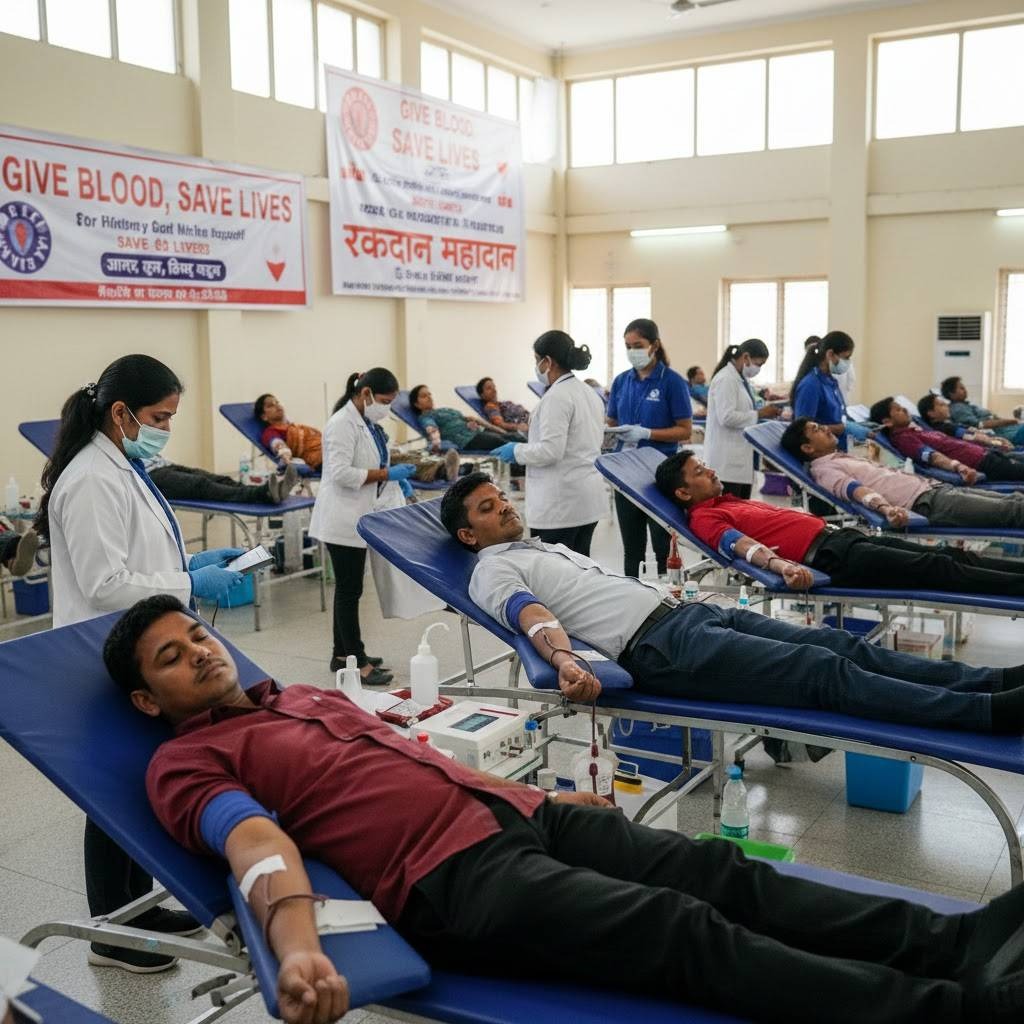
Volunteer blood donor drive initiatives play a vital role in strengthening healthcare support systems and saving lives, both during emergencies and for routine medical needs. When communities come together with a shared purpose, the impact reaches far beyond a single donation event. By promoting awareness, encouraging participation, and recognizing contributions through tools like a volunteer leaderboard system, communities can create a reliable support system for patients in need.LifeSaverArmy helps connect people with purpose, ensuring help is always within reach.
Table of Contents
Volunteer Blood Donor Drive Benefits for Communities and Healthcare
A well-planned donation drive creates a strong bridge between donors and patients. It ensures that blood is available when required, without last-minute chaos. By integrating a volunteer leaderboard system, communities can also encourage consistent participation and recognize active contributors. Communities that regularly host donation activities experience better health preparedness and quicker emergency response times.
Healthcare facilities benefit from predictable blood availability, which helps doctors focus on treatment instead of logistics. Patients gain confidence knowing support is accessible. At the community level, participation encourages empathy, cooperation, and social responsibility.
Such drives also normalize blood donation as a positive and safe habit, especially among young donors. Over time, this reduces myths and fear associated with donating blood.
How Organized Donation Drives Save Lives
Time is critical in medical emergencies. Organized blood donation efforts ensure that donor data is updated and accessible. This reduces delays and helps match patients with compatible donors quickly.
When volunteers manage registrations, follow-ups, and awareness sessions, hospitals receive better support. Coordination also avoids wastage by ensuring collected blood is stored and used efficiently.
Digital tools, reminders, and structured planning all contribute to higher success rates and improved patient outcomes.
Role of Volunteers in Making Drives Effective
Volunteers are the backbone of any donation initiative. They educate people, answer concerns, and guide first-time donors through the process. Their presence creates a welcoming and reassuring environment.
Many volunteers share personal experiences that motivate others to participate. Their consistency builds trust and long-term engagement. By helping with logistics and communication, volunteers allow medical teams to focus fully on clinical work.
Introducing recognition-based tracking can further boost motivation. Appreciation encourages healthy participation and makes volunteering more engaging and rewarding
Building Motivation Through a Volunteer Leaderboard System
Tracking contributions, attendance, and engagement levels helps bring transparency and fairness to recognition efforts. Volunteers feel valued when their work is acknowledged, which strengthens long-term commitment and motivation.
Leaderboards promote friendly competition and inspire others to contribute more actively. They also help organizers identify reliable volunteers for future drives.
When paired with certificates, appreciation messages, or community recognition, such systems strengthen volunteer retention and performance.
Long-Term Public Health Impact
Regular donation drives improve overall public health resilience. Communities become more prepared for disasters, accidents, and medical emergencies.
Habitual donation reduces dependency on urgent donor searches. It also spreads awareness about health checkups, as donors often receive basic screenings during donation.
Over time, these efforts lead to healthier, more informed communities with stronger support networks.
Stronger Community Bonds: Regular drives bring people together for a shared cause, strengthening trust and cooperation among community members.
Improved Healthcare Support: A steady donor base helps hospitals manage routine treatments better, not just emergencies.
Youth Engagement and Awareness: Donation activities educate young people early about social responsibility and preventive healthcare.
10 Pro Tips for Running a Successful Donation Drive
- Plan early and set clear goals for donor turnout.
- Partner with local hospitals for medical guidance and safety.
- Train volunteers to handle donor queries confidently.
- Use simple language while spreading awareness.
- Promote the event through local groups and social platforms.
- Keep donor registration quick and hassle-free.
- Maintain accurate donor records and follow-ups.
- Introducing a recognition-based tracking approach can further boost motivation.
- Appreciate volunteers with certificates or public thanks.
- Review feedback after the event to improve future drives.
FAQs
1. How does a volunteer blood donor drive help patients?
A volunteer blood donor drive ensures the timely availability of blood for surgeries and medical emergencies. Organized coordination reduces delays and confusion during critical situations. As a result, patients receive faster treatment, which directly improves survival rates and recovery outcomes.
2. Why is volunteer participation important in donation events?
Volunteers manage awareness campaigns, donor coordination, and on-ground support. Their involvement significantly reduces the workload on medical staff and creates a smooth, well-organized process. Consistent volunteer participation also builds trust and reliability within the community.
3. How can communities encourage more blood donors?
Communities can increase donor participation by sharing accurate information and addressing common fears about blood donation. Hosting regular donation events helps normalize the practice. Recognition, appreciation, and simple registration processes further motivate people to donate repeatedly.
4. What role does technology play in donation management?
Technology enables quick storage and retrieval of donor data, improving coordination between donors and organizers. Automated reminders reduce no-shows and increase participation. Digital tools also enhance transparency, efficiency, and overall event management.
5. How does recognizing volunteers improve results?
Volunteer recognition boosts morale and long-term commitment, especially when supported by a volunteer leaderboard system. When volunteers feel valued, they are more motivated to contribute consistently. Recognition encourages healthy teamwork and leads to better-organized, more successful donation drives.
Conclusion
A volunteer blood donor drive is more than a one-day event. It is a powerful community effort that strengthens healthcare systems, saves lives, and builds long-term readiness. With dedicated volunteers, proper planning, and supportive tools like leaderboards, donation drives can achieve lasting impact.
By promoting awareness, encouraging participation, and recognizing contributions through a volunteer leaderboard system, communities can create a reliable support system for patients in need. LifeSaverArmy helps connect people with purpose, ensuring help is always within reach.
