



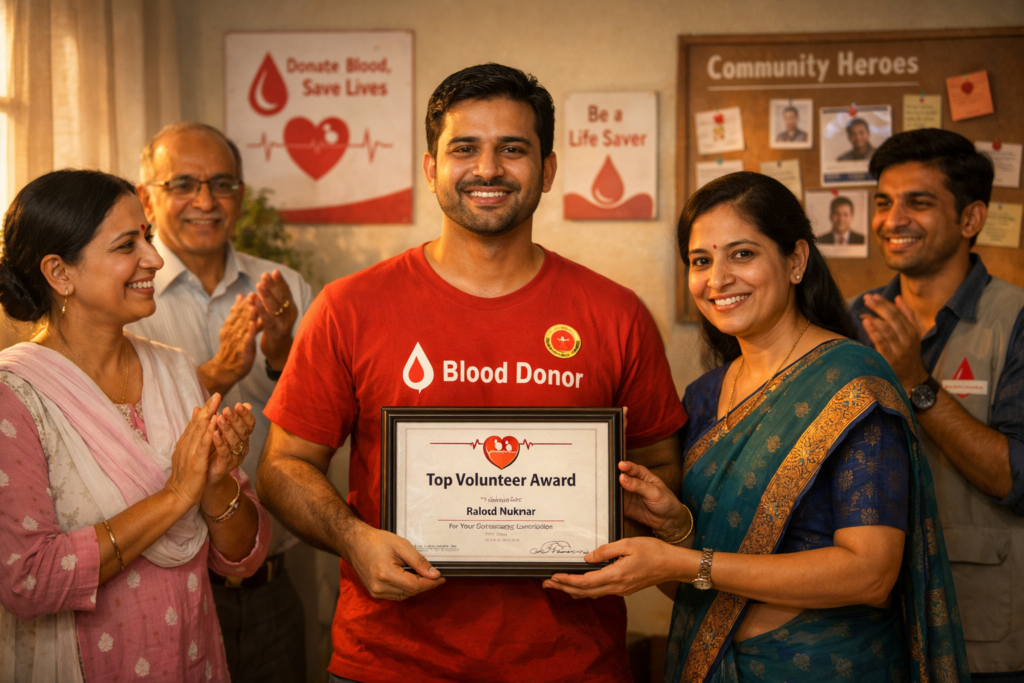
Donation rewards program initiatives are becoming an important part of modern social impact systems, especially in donor-driven communities. Donors today want to know that their time, effort, and commitment are valued in meaningful ways. Recognition builds motivation, trust, and long-term engagement, which are essential for sustaining lifesaving efforts.
This article explains why structured recognition matters, how it benefits donors, and how LifeSaverArmy creates a transparent and motivating environment for volunteers. Recognition through top volunteer awards highlights achievements and inspires continued participation. The focus is on clarity, human connection, and practical value rather than complicated systems or technical language.
Table of Contents
Understanding Donor Motivation
Most donors begin their journey with a simple intention to help someone in need. Over time, however, consistency requires encouragement. Donors who give regularly often balance busy schedules, personal responsibilities, and emotional energy. When their contribution is acknowledged, it reinforces the feeling that their effort truly matters.
Recognition does not reduce the purity of giving. Instead, it supports emotional well-being by reminding donors that their actions create real impact. Small signs of appreciation, such as top volunteer awards, can make a big difference in sustaining long-term commitment.
The Role of Structured Recognition
A structured system ensures fairness and transparency. Donors know that everyone is treated equally and that recognition is based on verified contributions. This structure prevents bias and builds confidence in the system.
Clear recognition standards also help new donors understand how they can grow their involvement. Seeing others receive appreciation shows that consistent effort is noticed and valued.
Donation Rewards Program and Its Impact on Donor Engagement
A well-designed rewards system connects appreciation with accountability. It provides donors with visible progress and milestones that reflect their ongoing efforts. This visibility creates a sense of belonging and purpose.
On LifeSaverArmy, recognition is tied to verified donor activity. This ensures credibility while encouraging healthy participation. Donors feel proud when their names appear among committed volunteers, and this pride often inspires others to participate.
Building Trust Through Transparency
Trust is the foundation of any donor ecosystem. When recognition is clearly linked to real contributions, donors feel confident in the system. Transparency reassures the community that the platform values honesty and fairness.
Donors are more likely to stay active when they trust the process. They know their efforts are accurately recorded and respectfully acknowledged without exaggeration or favoritism.
Encouraging Consistency Over One-Time Action
One-time donations help in emergencies, but consistent donors create stability. Recognition systems emphasize long-term involvement rather than isolated actions. This encourages donors to return and stay connected.
By highlighting achievements such as top volunteer awards, platforms motivate donors to aim for consistency. These acknowledgments reflect dedication rather than competition, keeping the focus on service.
Emotional Value of Recognition
Recognition offers emotional reinforcement. It reminds donors that their contribution is not invisible. Feeling seen and appreciated reduces burnout and increases satisfaction.
When donors experience positive reinforcement, they are more likely to advocate for the cause and encourage others to join. This creates a ripple effect of goodwill and community growth.
Strengthening Community Identity
Recognition programs help form a shared identity among donors. Seeing familiar names and achievements fosters a sense of unity. Donors feel part of something larger than themselves.
Community recognition also encourages peer inspiration. When donors see others receiving appreciation, it reinforces positive behavior without pressure.
Digital Platforms and Modern Recognition
LifeSaverArmy makes recognition accessible and organized. Donors can track their contributions, view milestones, and understand their impact clearly.
Online systems also allow timely updates and accurate records. This reliability strengthens donor confidence and supports long-term engagement.
Pro Tips for Making Recognition Meaningful
- Focus on verified contributions to maintain fairness.
- Keep recognition criteria simple and easy to understand.
- Celebrate consistency rather than just high numbers.
- Share achievements publicly to inspire others.
- Use positive language that values effort and intent.
- Avoid overcomplicated scoring systems.
- Update recognition regularly to stay relevant.
- Highlight stories behind achievements for emotional connection.
- Balance appreciation with humility and respect.
- Align recognition with the core mission of saving lives.
FAQs
1. Why does a donation rewards program matter for long-term donors?
A donation rewards program matters for long-term donors because it provides emotional reassurance that their efforts are valued and recognized. Recognition builds motivation and reduces the feeling of giving in isolation, helping donors feel connected to a larger mission. By showing progress over time, such programs encourage consistency and regular participation, which ultimately leads to stronger commitment and lasting involvement.
2. How do top volunteer awards influence donor behavior?
Top volunteer awards influence donor behavior by creating positive examples within the community that others can look up to. Rather than pressuring donors to contribute more, these awards inspire them through recognition of dedication and consistency. Highlighting such efforts builds mutual respect and trust among volunteers, reinforcing a culture of appreciation and shared responsibility.
3. Is recognition necessary for genuine donors?
Recognition is not a requirement for genuine donors, as most donors give selflessly. However, appreciation plays an important role in supporting emotional health and long-term engagement. Recognition does not replace intent; it strengthens it by helping donors feel valued and acknowledged. This sense of appreciation helps donors stay engaged longer while also reducing burnout and fatigue.
4. How does transparency affect donor trust?
Transparency directly affects donor trust by reducing doubt and confusion within the system. When donors know their efforts are recorded accurately, they feel confident in the platform’s integrity. Clear and transparent systems demonstrate respect for honesty and fairness, which significantly increases donor confidence and trust over time.
5. Can recognition improve community participation?
Yes, recognition can improve community participation by making appreciation visible and meaningful. When people see positive outcomes and acknowledged contributions, they feel motivated to join and participate. Recognition builds a strong sense of belonging, which leads to more active, engaged, and supportive communities.
Conclusion
A thoughtful recognition system plays a vital role in sustaining donor engagement. By valuing effort, ensuring transparency, and encouraging consistency, platforms can build strong and trustworthy communities. Recognition through top volunteer awards supports emotional motivation without compromising the spirit of giving.
When donors feel seen and respected, they are more likely to remain active and inspire others. LifeSaverArmy demonstrates how a structured donation rewards program can strengthen social impact while keeping the focus on saving lives and supporting humanity.
