



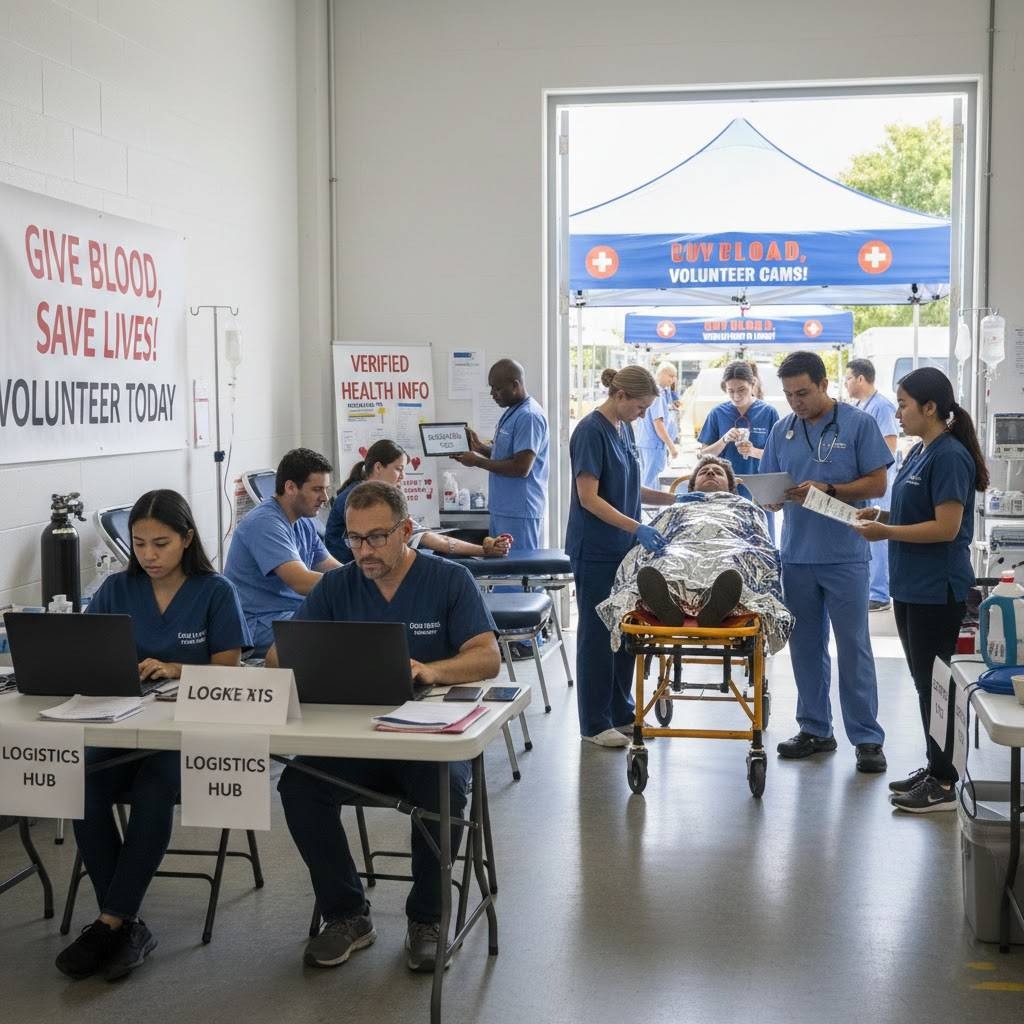
Life-saving volunteer work plays a vital role in supporting people during medical emergencies, disasters, and critical health situations. It brings ordinary individuals together to help save lives through timely action, awareness, and community support.
Volunteering is not just about giving time. It is about stepping up when someone else needs help the most. In areas like blood donation awareness, emergency response coordination, and public health support, volunteers often become the bridge between need and care.
This type of service also allows individuals to gain volunteer experience while building empathy, leadership, and real-world skills.LifeSaverArmy makes it easier for volunteers to connect with people in need and contribute meaningfully without confusion or delay.
Table of Contents
Life-Saving Volunteer Work Explained Simply
At its core, this form of volunteer service involves activities that directly or indirectly protect human life. These efforts may include spreading awareness, coordinating donors, assisting healthcare teams, or supporting emergency logistics, helping individuals gain volunteer experience while making a real impact.
Unlike casual volunteering, this work often carries urgency and responsibility. A single phone call, message, or timely update can make the difference between life and loss. Volunteers may not always be visible, but their impact is real and immediate.
Many people assume special training is required, but most organizations provide guidance. What matters most is commitment, clear communication, and the Consent to act responsibly when situations demand quick responses.
Why This Type of Volunteering Truly Matters
Communities depend on reliable systems during emergencies. Hospitals, patients, and families rely on volunteer networks to fill gaps that formal systems cannot always manage alone.
Volunteers help reduce panic by sharing accurate information. They facilitate faster coordination by keeping records up to date. They also build trust within communities by encouraging responsible participation in life-supporting causes.
For volunteers, the emotional reward is powerful. Knowing that your actions helped someone survive creates a deep sense of purpose that few experiences can match.
Volunteers also support long-term planning by encouraging regular participation rather than last-minute responses. This proactive approach helps communities stay ready before emergencies arise.
In addition, volunteering creates stronger social bonds. When people work together during critical moments, it fosters unity, empathy, and a shared sense of responsibility that lasts beyond the crisis.
How Volunteers Make a Real Difference on the Ground
The impact of this volunteer effort is felt most strongly during urgent situations. Volunteers help identify available donors, share verified requests, and ensure communication flows smoothly.
They also play a preventive role. By promoting regular donation habits and awareness, they reduce the need for last-minute emergencies. This steady support strengthens healthcare systems over time.
LifeSaverArmy helps volunteers act faster by connecting people transparently and responsibly. This structure allows volunteers to focus on helping rather than struggling with coordination.
How You Can Gain Volunteer Experience That Matters
Many people want to contribute but are unsure where to start. Life-focused volunteering provides meaningful opportunities for exposure to teamwork, crisis management, and ethical responsibility.
You learn how to communicate clearly under pressure. You understand how systems work during emergencies. You also develop patience and emotional strength.
These skills are valuable not only for social work but also for personal growth and professional development. Employers and institutions value experience that shows real-world responsibility and service.
10 Pro Tips for Effective Life-Focused Volunteering
- Start with proper orientation and understand your role clearly.
- Always share verified information and avoid spreading panic.
- Keep your communication polite, calm, and respectful.
- Maintain updated records if your role involves coordination.
- Respect privacy and never share personal details publicly.
- Be responsive, especially during urgent requests.
- Learn basic emergency protocols relevant to your task.
- Work as a team and follow assigned processes.
- Take care of your own mental well-being.
- Stay consistent even when there is no immediate urgency.
FAQs
1. What is life-saving volunteer work, and who can join?
Life-saving volunteer work focuses on assisting people with critical health needs. Anyone with dedication and responsibility can join—formal medical training is usually not required. This work allows individuals to gain valuable volunteer experience, and what matters most is commitment and clear communication.
2. How much time does volunteering usually require?
The time commitment varies depending on your role and availability. Some volunteers help daily, while others contribute occasionally. Even small efforts can make a meaningful difference. Consistency is more important than the number of hours spent.
3. Is prior experience necessary to start volunteering?
No prior experience is required. Most organizations provide basic guidance and step-by-step training. Beginners are welcome, and a willingness to learn matters more than prior knowledge. Confidence grows naturally as you gain experience.
4. What skills can volunteers develop through this work?
Volunteers develop strong communication and coordination skills, gain volunteer experience, learn to manage responsibility under pressure, and enhance emotional awareness and teamwork. These skills are valuable in both personal and professional life.
5. How does LifeSaverArmy support volunteers?
LifeSaverArmy connects volunteers efficiently and transparently. It simplifies coordination, reduces confusion, and allows volunteers to respond faster with verified information, saving precious time during emergencies.
Conclusion
Life-saving volunteer work is about responsibility, caring, and timely action. It strengthens communities, supports healthcare systems, and brings people together for a shared purpose.
Through awareness, coordination, and commitment, volunteers make a measurable difference. They also gain volunteer experience that shapes character and builds lifelong values. With a structured LifeSaverArmy, contributing becomes easier and more effective. When people step forward to help, lives are protected, and hope continues to grow.
