



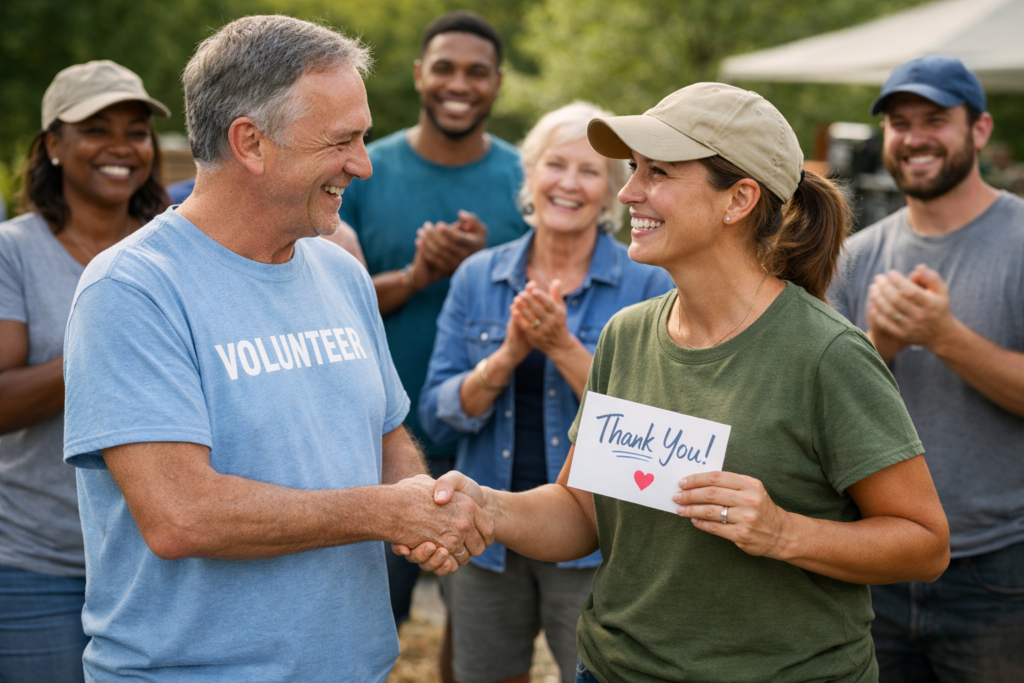
Volunteer appreciation is not just about saying thank you. It is about making people feel valued for the time, effort, and heart they give to a cause. Volunteers do not work for money, so emotional connection, respect, and acknowledgment become the strongest motivators. When appreciation is done right, recognition for volunteers builds loyalty, confidence, and a lasting bond between volunteers and the mission they support.
Across communities, appreciation plays a key role in sustaining volunteer-driven movements. LifeSaverArmy shows how gratitude and recognition can encourage people to continue serving with pride and purpose.
Table of Contents
Volunteer Appreciation and Its Deeper Meaning
At its core, appreciation is about recognizing human effort. Volunteers often give up personal time, comfort, and energy to help others. When organizations acknowledge this contribution sincerely, it validates the volunteer’s decision to serve.
Appreciation is not limited to awards or events. It includes simple actions like listening, respecting opinions, and acknowledging effort consistently. This emotional reward strengthens trust and helps volunteers feel that their work truly matters.
Recognition for volunteers also creates a sense of belonging. When people feel seen and respected, they naturally develop a deeper connection with the cause and the community they serve.
Why Appreciation Creates Emotional Impact
Volunteering is deeply emotional. People give because they care, not because they are required to. Appreciation touches that emotional core and reinforces positive feelings associated with service.
When appreciation is genuine, it boosts self-worth and motivation. Volunteers feel proud of their contribution and are more likely to continue helping. Emotional recognition often matters more than material rewards because it connects directly to personal values.
This emotional impact is why recognition for volunteers should always be thoughtful, personal, and timely.
The Link Between Appreciation and Long-Term Commitment
One of the biggest challenges for volunteer programs is retention. Appreciation plays a direct role in keeping volunteers engaged over time.
When volunteers feel ignored or taken for granted, burnout happens quickly. On the other hand, when they feel valued, they are more willing to stay committed even during challenging times. Appreciation builds trust and loyalty, which are essential for long-term involvement.
Organizations that consistently recognize volunteer efforts often see stronger participation, better teamwork, and higher morale across their programs.
How Appreciation Strengthens Community Culture
A culture of appreciation creates positivity within volunteer groups. It encourages mutual respect, teamwork, and open communication. Volunteers are more likely to support each other when appreciation is part of the environment.
This culture also attracts new volunteers. People are naturally drawn to spaces where effort is valued and kindness is acknowledged. Communities supported by LifeSaverArmy thrive because appreciation is woven into their mission.
It helps build a shared sense of purpose, making community service more meaningful for everyone involved.
10 Pro Tips to Practice Appreciation Effectively
- Say thank you often
Simple words spoken sincerely can leave a lasting impression. - Be specific with praise
Describe what the volunteer did and explain why it was significant. - Recognize effort, not just results
Hard work deserves acknowledgment even if outcomes vary. - Make it personal
Tailor appreciation to individual personalities and preferences. - Celebrate milestones
Acknowledge years of service, first contributions, and achievements. - Offer leadership opportunities
Trusting volunteers with responsibility shows deep respect. - Listen actively
Valuing opinions is a powerful form of appreciation. - Create peer recognition
Encourage volunteers to appreciate each other. - Be consistent
Regular appreciation fosters trust and helps prevent burnout. - Connect appreciation to impact
Show how their work helped real people and real causes.
Appreciation in Digital and On-Ground Volunteering
Modern volunteering happens both online and offline. Digital volunteers also need acknowledgment through messages, certificates, or public mentions. On-ground volunteers benefit from face-to-face gratitude and group recognition.
Balanced appreciation across both spaces ensures no effort goes unnoticed. Whether someone donates time online or in the field, appreciation should feel equally meaningful.
LifeSaverArmy successfully combines both approaches to keep volunteers motivated and connected.
FAQs
1. Why is volunteer appreciation important in service programs?
Volunteer appreciation helps volunteers feel valued and respected for their efforts. It builds emotional connection and strengthens motivation over time. Volunteers who feel appreciated are more likely to stay committed to the cause. It also creates a positive and supportive culture within the organization.
2. What are simple ways to recognize volunteer efforts?
Simple thank-you messages can make a big difference in how volunteers feel. Public acknowledgment during meetings or events is also effective. Personal notes show genuine care and respect for individual effort. Listening to volunteer feedback is another meaningful form of recognition.
3. Can appreciation improve volunteer retention?
Yes, appreciation directly affects volunteer retention. Volunteers tend to stay longer when they feel valued and respected. Recognition helps reduce burnout and emotional fatigue. It also builds loyalty toward the mission and the team.
4. How often should volunteers be recognized?
Recognition for volunteers should be ongoing rather than Irregular. Timely appreciation feels more sincere and impactful. Regular acknowledgment builds trust and morale among volunteers. Consistency matters more than grand gestures.
5. Is recognition more important than rewards?
Emotional recognition often matters more than material rewards. Feeling respected creates a lasting positive impact. Rewards may be temporary, but gratitude stays with volunteers. A thoughtful balance of both works best.
Conclusion
Volunteer appreciation is a powerful force that shapes how volunteers feel, act, and stay connected to a cause. It strengthens emotional bonds, builds trust, and creates long-term commitment. Recognition for volunteers is not an extra effort but a core responsibility of any volunteer-driven initiative. When appreciation is sincere and consistent, it transforms service into purpose. Communities grow stronger, volunteers stay motivated, and missions succeed. By fostering a culture of gratitude, LifeSaverArmy continues to inspire meaningful service and lasting impact.
