



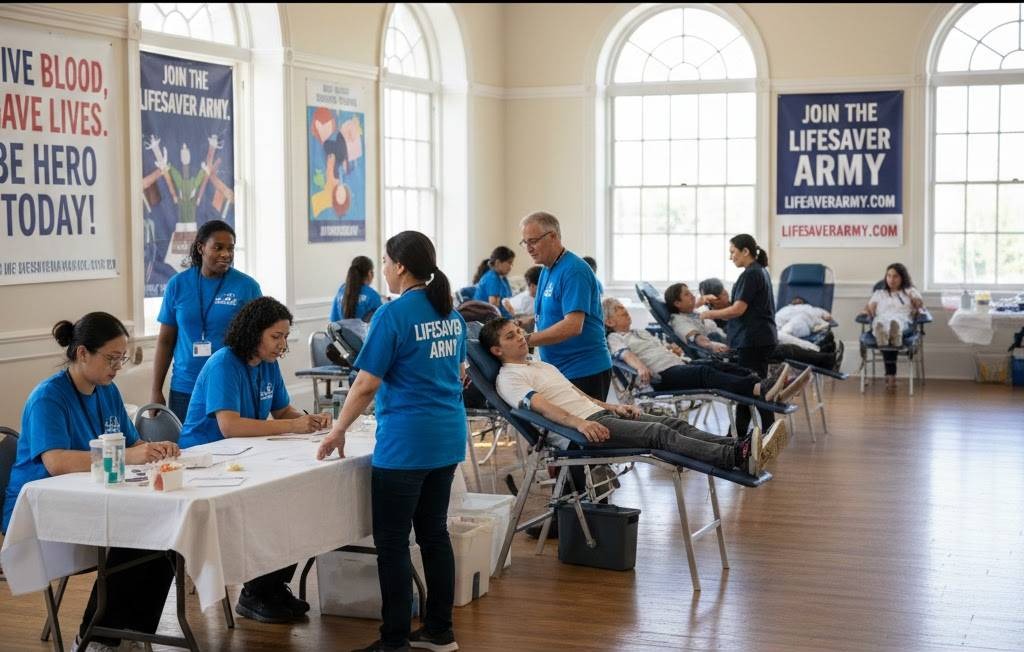
Volunteer impact on blood donation is more than just giving time; it is about creating a ripple effect that saves lives. Volunteers play a critical role in encouraging communities, organizing drives, and providing blood donor sign-up help. Their dedication ensures that patients in need get life-saving blood when every second counts.
Table of Contents
The Impact of Volunteers on Blood Donation
Volunteers are the backbone of any successful blood donation campaign. They educate people about the importance of donating blood, address fears, and make the process easier for donors. By providing blood donor sign-up help, they reduce barriers and make it simple for anyone willing to donate. From schools to offices, volunteers coordinate efforts to ensure maximum participation.
Volunteers often share personal stories to motivate others. Many have seen the direct impact of their work when patients survive because blood was available on time. These stories inspire first-time donors and encourage long-term commitment.
Additional points highlighting their role:
- Community Awareness: Volunteers organize awareness sessions and campaigns to educate the public about the need for regular blood donation.
- Event Coordination: They plan and manage blood drives, ensuring all logistics, like seating, refreshments, and donor flow, are handled efficiently.
- Emotional Support: Volunteers provide reassurance and comfort to donors during the process, helping reduce anxiety and making the experience positive.
- Follow-Up Engagement: They keep in touch with donors, reminding them of upcoming drives and encouraging repeat donations.
- Collaboration with Organizations: Volunteers work closely with platforms like LifeSaverArmy to track donors, manage appointments, and streamline the donation process.
This combination of awareness, organization, and support makes volunteers essential for building a sustainable and effective blood donation network.
How Volunteer Impact Blood Donation Helps Communities
When volunteers step up, the volunteer impact on blood donation goes beyond just filling blood banks. They build trust, spread awareness, and encourage a culture of giving. Communities become more prepared for emergencies, and hospitals can maintain a steady supply of blood. LifeSaverArmy provides an easy platform for volunteers to connect with donors, making the process more efficient and organized.
By involving community leaders, religious groups, and local clubs, volunteers increase participation and awareness. This collective effort ensures that no patient is left waiting when blood is urgently needed.
Encouraging Regular Blood Donation
Consistency in donation is key. Volunteers remind donors about upcoming drives, share motivational stories, and provide blood donor sign-up help. Their efforts ensure that donations are not one-time events but a regular habit.LifeSaverArmy tracks donors and manages appointments, helping hospitals stay ready at all times.
Impact on Healthcare Systems
Reliable volunteer networks reduce the pressure on healthcare systems. Timely blood donations prevent delays in surgeries, trauma care, and treatment for chronic illnesses. Volunteers help bridge gaps, ensuring that lifesaving resources are always available. Their presence strengthens community resilience and public health outcomes.
Motivating New Donors
A significant part of volunteer work is bringing new donors into the system. They organize awareness campaigns, conduct educational workshops, and assist in blood donor sign-ups. Volunteers help potential donors feel safe and informed, increasing participation and maintaining a growing, sustainable donor base.
10 Pro Tips for Volunteers in Blood Donation
- Educate Yourself: Understand blood types, donation criteria, and common myths.
- LifeSaverArmy: Help donors sign up easily and track drives efficiently.
- Engage Locally: Partner with schools, offices, and communities for drives.
- Share Stories: Real-life experiences of saved lives inspire more donors.
- Plan Ahead: Schedule drives and follow up with donors for regular contributions.
- Leverage Social Media: Post updates, success stories, and reminders.
- Simplify the Process: Assist donors with forms and appointment scheduling.
- Host Mini Events: Create smaller gatherings to reach first-time donors.
- Celebrate Donors: Recognize contributions to keep people motivated.
- Track Impact: Monitor the number of donors helped and lives saved to showcase results.
FAQs
Q1. How does a volunteer impact on blood donation make a difference?
Volunteers provide crucial support to donors and hospitals. They guide new donors, offer blood donor sign-up help, and organize drives. Their work ensures that blood reaches patients in time. Overall, their involvement saves countless lives every year.
Q2. How often should a person donate blood?
Most healthy adults can donate whole blood every 8–12 weeks. Regular donations help maintain a steady blood supply. It also benefits donors by improving circulation and health awareness. Staying consistent ensures availability during emergencies.
Q3. What are the basic eligibility criteria for donating blood?
Donors must be healthy, weigh at least 50 kg, and be between 18 and 65 years old. They should not have any infectious diseases. Minor health conditions may require consultation with medical staff. Always check local guidelines before donating.
Q4. How can someone prepare for their first blood donation?
Drink plenty of water, have a healthy meal, and get enough rest before donating. Wear comfortable clothing and stay relaxed during the process. Bring identification and any medical documents if required. These steps make the experience smoother.
Q5. What happens to donated blood after collection?
Blood is tested for safety and then separated into components like red cells, plasma, and platelets. Hospitals receive these components based on demand. This ensures efficient use and timely treatment for patients. Tracking through LifeSaverArmy helps manage supply.
Conclusion
The volunteer impact on blood donation is profound and far-reaching. Volunteers not only facilitate blood donor sign-up help but also create a culture of care, awareness, and responsibility. LifeSaverArmy, they ensure communities are prepared, hospitals are supported, and lives are saved every day. Their dedication transforms simple acts of service into lifesaving outcomes, proving that volunteer efforts are truly invaluable.
With more people joining volunteer initiatives, we can ensure a continuous supply of blood and a healthier, safer community for everyone.
