



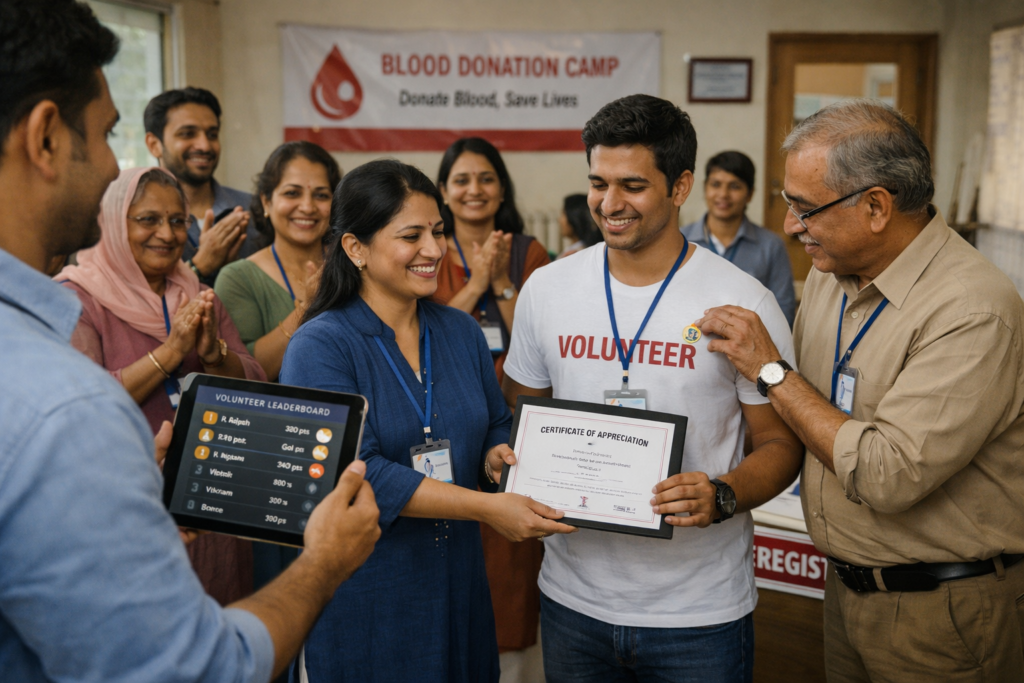
A volunteer ranking system is an essential tool for modern organizations looking to recognize, motivate, and retain their volunteers. Tracking contributions, acknowledging effort, promoting healthy competition, and supporting donation event organiser recognition, it helps volunteers stay engaged and committed. In this blog, we will explore how such a ranking system works, why it matters, and how it can enhance your organization’s overall impact, especially for donation events.
Table of Contents
What Is a Volunteer Ranking System?
A volunteer ranking system is a structured approach to track volunteer activities, contributions, and performance. It assigns points, badges, or ranks based on participation, hours served, or specific achievements. The system is designed to encourage consistency, reward dedication, and motivate volunteers to engage more deeply with organizational goals.
For donation event organizers, recognition is a key factor in ensuring volunteers feel valued. Using a ranking system, organizers can easily highlight top contributors, show appreciation, and support donation event organiser recognition, creating a culture of acknowledgment that inspires others to step forward.
Why Volunteer Engagement Matters?
Engaged volunteers are the backbone of any successful nonprofit or donation event. They bring energy, reliability, and passion that drive community impact. Without active participation and proper donation event organiser recognition, even the best-planned donation events can fall short of goals.
Such a ranking system encourages continuous involvement by providing visible acknowledgment of effort. Volunteers who see their progress and impact are more likely to stay committed and participate in multiple events over time.
Key Benefits of a Ranking System
- Motivation Through Recognition: Volunteers thrive when their contributions are recognized. The ranking system ensures that top performers get visibility and acknowledgment.
- Improved Retention: Volunteers are more likely to continue contributing when they feel valued. Ranking systems create a sense of achievement and loyalty.
- Enhanced Team Collaboration: Friendly competition and transparent rankings encourage teamwork while maintaining individual motivation.
- Data-Driven Decisions: Tracking volunteer contributions allows organizers to allocate resources efficiently and plan future events more effectively.
- Encourages Skill Development: Volunteers motivated by rankings may seek training, leadership opportunities, and roles that enhance their skills.
- Supports Organiser Recognition: Organizers can highlight volunteers’ achievements during events, creating a culture of appreciation and boosting overall morale.
How to Implement a Ranking System
Implementing a ranking system involves clear guidelines, measurable metrics, and a transparent process. Here are some practical steps:
- Set Clear Criteria: Define how points or ranks are earned, such as hours served, tasks completed, or event participation.
- Track Contributions: Use software or spreadsheets to monitor volunteer activity accurately.
- Communicate Progress: Share regular updates and leaderboards to motivate volunteers.
- Reward Top Performers: Offer certificates, badges, or public recognition to show appreciation.
- Incorporate Feedback: Allow volunteers to suggest improvements or new ways to earn recognition.
10 Pro Tips to Maximize Engagement
Here are ten actionable tips to get the most out of your ranking system:
- Set Realistic Goals: Ensure targets are achievable and motivate volunteers without creating pressure.
- Personalize Recognition: Use names, photos, or stories to make acknowledgment more meaningful.
- Encourage Team Challenges: Organize team-based tasks where collective performance earns rewards.
- Celebrate Milestones: Highlight anniversaries, hours served, or special achievements in newsletters or social media.
- Integrate With Events: Link rankings to donation events to showcase active contributors during celebrations.
- Use Digital Tools: Employ apps LifeSaverArmy to streamline tracking and reporting.
- Provide Growth Opportunities: Offer leadership roles or mentorship programs for top-ranked volunteers.
- Request Feedback Regularly: Ask volunteers what motivates them and adjust the system accordingly.
- Highlight Organiser Recognition: Publicly recognize donation event organizers for coordinating volunteers effectively.
- Maintain Transparency: Make criteria, point systems, and rankings visible to all volunteers to encourage trust and fairness.
Common Challenges and How to Overcome Them
Even the best ranking systems can face obstacles. Common challenges include uneven participation, demotivation among lower-ranked volunteers, and technical difficulties in tracking.
Solutions include:
- Offering alternative ways to earn points for different skill sets.
- Celebrating small achievements to motivate all contributors.
- LifeSaverArmy for managing volunteer data.
FAQs
1. What is a ranking system, and why is it important?
A volunteer ranking system tracks contributions, rewards effort, and motivates continued participation. It helps volunteers feel appreciated while improving engagement and retention. For donation events, it also highlights top contributors and strengthens overall team performance.
2. How can volunteers stay motivated in long-term projects?
Setting achievable goals, offering feedback, celebrating small wins, and supporting the donation event organiser recognition keep volunteers motivated. Regular communication and personal acknowledgment of their efforts also help sustain engagement.
3. How do organizers track volunteer hours efficiently?
Using digital tools or simple spreadsheets makes tracking hours easy. Automating updates and maintaining transparency ensures accurate records and reduces manual errors.
4. What are effective ways to recognize volunteer efforts?
Recognition can include certificates, public shout-outs, badges, or mentions during events. Highlighting personal stories or achievements adds emotional value and encourages continued participation.
5. How can teamwork be encouraged among volunteers?
Organizing group tasks, friendly competitions, and collaborative events builds teamwork. Sharing results and celebrating collective achievements fosters a sense of community and cooperation.
Conclusion
A volunteer ranking system is more than just a tracking tool. It motivates volunteers, encourages consistent participation, and strengthens community impact. By recognizing efforts and promoting donation event organiser recognition, organizations can create a culture of appreciation and engagement. Implementing clear guidelines, actionable tracking methods, and regular recognition ensures that volunteers remain motivated, committed, and ready to contribute to meaningful causes.
LifeSaverArmy simplifies management, provides transparency, and enhances volunteer satisfaction, ensuring every event is a success. A structured and fair ranking system is an investment in your volunteers and the communities they serve.
