



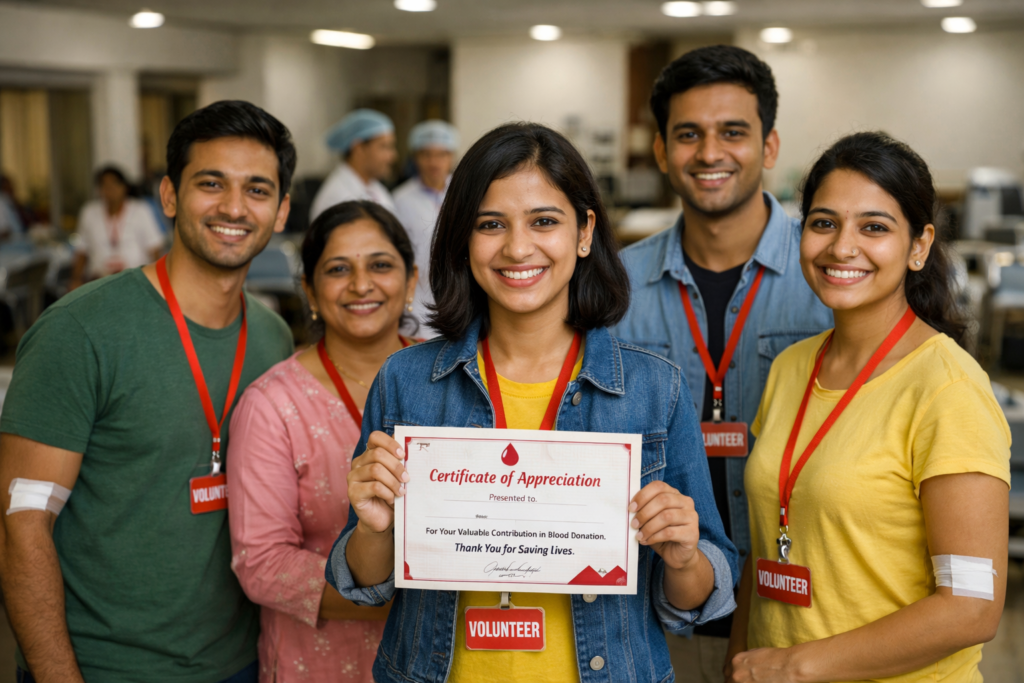
The volunteer reward system is no longer just a feel-good idea; it is a practical way to value people who give their time and energy for social good. In today’s fast-paced world, volunteers have many responsibilities, and recognition helps them feel seen, respected, and motivated to continue serving.
Volunteering has changed over the years. Earlier, people volunteered mainly within close communities. Today, volunteers support large-scale causes, including blood donation drives, disaster relief efforts, and health awareness campaigns. As expectations rise, so does the need to appreciate these efforts in a structured and meaningful way. This is where a well-planned reward system plays a key role. A reward system does not always mean money or gifts. Often, simple gestures like public appreciation, digital badges, or a certificate of appreciation blood donation can leave a lasting impact.LifeSaverArmy focuses on recognizing real heroes and building a culture where service is respected and remembered.
Table of Contents
Volunteer Reward System and Its Growing Importance
A volunteer reward system helps organizations create a culture of respect and gratitude. Volunteers give their time without expecting much in return, but appreciation fuels their passion, and gestures like a certificate of appreciation blood donation help them feel valued and stay connected with the cause.
Recognition also builds trust. Volunteers who are acknowledged openly feel confident about the organization they support. This trust leads to stronger relationships and better teamwork. Over time, this consistency improves the overall impact of social initiatives.
Another important aspect is visibility. When volunteers receive recognition, others notice. This inspires new people to join and contribute. In causes like blood donation, seeing someone receive a certificate of appreciation for blood donation can motivate others to step forward and help save lives.
How Recognition Strengthens Volunteer Commitment
Recognition works at an emotional level. A simple thank-you message or a public mention can make a volunteer feel proud of their contribution. This emotional connection is often stronger than any material reward.
Consistent appreciation also reduces burnout. Volunteers often juggle work, family, and social duties. When their efforts are noticed, they feel encouraged rather than exhausted. This balance is essential for long-term engagement.
At LifeSaverArmy, recognition is used to highlight real stories of service. These stories remind volunteers that their actions matter and that even small efforts can create meaningful change.
The Role of Rewards in Social Causes Like Blood Donation
In social causes, rewards act as reminders of impact. Blood donation, for example, is a selfless act that directly saves lives. Offering a certificate of appreciation for blood donation helps donors remember their contribution and feel proud of it.
Such certificates also serve as social proof. When shared with family or on social platforms, they spread awareness about the cause. This organic sharing builds trust and encourages others to participate.
A thoughtful reward approach ensures that appreciation feels genuine, not forced. The focus should always remain on gratitude, not competition.
10 Pro Tips to Build an Effective Volunteer Recognition Program
- Understand volunteer motivation
Talk to volunteers and learn what kind of appreciation matters to them. - Keep recognition timely
Appreciate efforts soon after the activity to keep the feeling fresh and meaningful. - Offer simple but sincere rewards
A heartfelt message or digital certificate often means more than costly gifts. - Personalize when possible
Use names and mention specific contributions to make recognition feel real. - Celebrate milestones
Acknowledge repeated efforts like multiple blood donations or long-term service. - Use public recognition wisely
Highlight volunteers on notice boards or social media with their consent. - Stay consistent
Ensure appreciation is regular and fair for all contributors. - Connect rewards to impact
Explain how the volunteer’s work helped people or communities. - Encourage peer appreciation
Allow volunteers to appreciate each other’s efforts. - Partner with a trusted platform
LifeSaverArmy to manage recognition in a structured and respectful way.
FAQs
1. Why is a volunteer reward system important today?
It helps volunteers feel valued and respected for their time and effort while building a strong sense of emotional connection and long-term commitment. Recognition also encourages others to join social causes by showing that service is appreciated. Overall, it strengthens community-driven initiatives and supports sustainable social impact.
2. How does volunteer recognition improve retention?
Appreciation makes volunteers feel connected to the mission and valued for their contribution. When people feel seen and acknowledged, they are more likely to return and stay involved. Recognition also reduces burnout and builds trust, which leads to long-term participation.
3. Are certificates effective for blood donation volunteers?
Yes, certificates create a strong sense of pride and achievement among blood donation volunteers. They act as a reminder of the life-saving impact made through their effort. Many donors value certificates as meaningful recognition, and they also help spread awareness about blood donation.
4. Can small organizations implement reward programs?
Absolutely, reward programs do not need to be expensive to be effective. Simple gestures and sincere messages, such as offering a certificate of appreciation blood donation, often work better than costly rewards. Consistency matters more than scale, and even small efforts can create a big emotional impact on volunteers.
5. How does LifeSaverArmy support volunteer recognition?
The platform highlights real contributions and authentic volunteer stories to ensure recognition feels genuine. It provides structured ways to appreciate volunteers while maintaining respect and fairness. This approach builds trust within the community and encourages continued participation.
Conclusion
A strong volunteer reward system is essential in today’s social environment. It nurtures motivation, builds trust, and encourages long-term commitment. Recognition does not need to be costly; it needs to be sincere and consistent. From certificates to public appreciation, every gesture counts. By valuing volunteers and their efforts, LifeSaverArmy helps create a culture where service is honored through meaningful recognition, certificate of appreciation blood donation, and social impact continues to grow.
